Könyvajánló
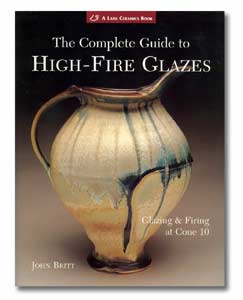
The complete guide to high-fire glazes : glazing & firing at cone 10
Britt, John
For the clay enthusiast whose previous experience with glazes and firing has been in low-fire work, this book is a good introduction to the world of high-fire glazes. The seasoned professional will refer to the reliable recipes and procedural information in these pages for years to come.
Britt begins with a detailed examination of glaze materials and tools. Because creating a glaze is essentially a balancing act between the chemistry of the ingredients, the properties of your equipment, and the qualities you desire in the finished piece, it is vital that you understand the unique traits of the materials you're using and how they interact.
Once you have learned about oxides and other colorants that make up glazes, you can focus on the process. Britt guides you through all aspects of cone 10 glaze-making, including mixing and applying the glaze, firing procedures for both fuel and electric kilns, and the full spectrum of end results that can be achieved. He provides detailed information about performing melt tests; achieving and measuring specific gravity and glaze thickness; the benefits and drawbacks of different application and resist methods; and controlling a kiln's firing temperature and atmosphere for each type of glaze, including copper, iron, shino, and crystalline.
Recipes for hundreds of glazes, many tested by Britt himself, are shown in simple charts and accompanied by photographs of fired test tiles. Pictures of finished works by celebrated ceramists will guide and inspire you.