Könyvajánlók
![[... curator Kathleen Soriano, Sarah Lea]: Anselm Kiefer](/upload/bookreview/1000/1501_src.jpg)
Anselm Kiefer
[... curator Kathleen Soriano, Sarah Lea]
The official catalogue to accompany Anselm Kiefer’s 2014 retrospective at the Royal Academy of Arts, featuring sculpture, paintings and monumental installations that span Kiefer's forty-year career. The catalogue includes in-depth essays exploring the themes of history, religion and mythology in Kiefer's work, as well as numerous studio photographs taken by the artist himself.
tovább >>>
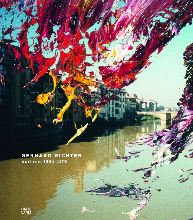
Gerhard Richter : editions, 1965-2013
ed. by Hubertus Butin, Stefan Gronert, Thomas Olbricht
Nach seinen Gemälden wird mittlerweile auch den Editionen Gerhard Richters international ein immer größeres Interesse entgegengebracht. Editionen sind all jene künstlerischen Originale, die nicht als Unikate, sondern in Auflage entstanden sind. Hubertus Butin stellt in seinem neuen Werkverzeichnis sämtliche Druckgrafiken, Fotoeditionen, Künstlerbücher, Multiples (Auflagenobjekte) und Gemäldeeditionen von 1965 bis 2013 vor. Mit grundlegenden Textbeiträgen und zahlreichen Abbildungen wird deutlich gemacht, dass die Editionen einen eigenständigen und zentralen Teil in Gerhard Richters Œuvre bilden. Sie bieten dem Künstler die Gelegenheit, ein größeres Publikum zu erreichen und gleichzeitig die Möglichkeiten des Bildnerischen auf besonders vielfältige und experimentelle Weise auszuloten.
tovább >>>
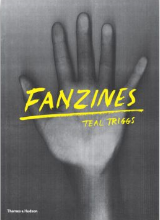
Fanzines
Teal Triggs
Fanzines have been one of the liveliest forms of self-expression for over 70 years. Their subject matter is as varied as the passions of their creators, ranging across music, comics, typography, animal rights, politics, alternative lifestyles, clip art, thrift shopping, beer drinking …
Produced in small quantities, distributed by hand or via independent music or book stores, fanzines were the original medium of super-niche interest groups and the cultural underground. Ephemeral and irreplaceable, many have been lost to all but a few passionate collectors...
tovább >>>
![Petra Eisele, Isabel Naegele, Michael Lailach [eds.]: Moholy-Nagy and the new typography : A-Z](/upload/bookreview/1000/1498_src.jpg)
Moholy-Nagy and the new typography : A-Z
Petra Eisele, Isabel Naegele, Michael Lailach [eds.]
In 1929, ten years after the Bauhaus was founded, Berlin’s Martin-Gropius-Bau launched the exhibition “New Typography.” László Moholy-Nagy, who had left Dessau the previous year and had earned a reputation as a designer in Berlin, was invited to exhibit his work together with other artists. He designed a room—entitled “Wohin geht die typografische Entwicklung?” (“Where is typography headed?”)—where he presented 78 wall charts illustrating the development of the “New Typography” since the turn of the century and extrapolating its possible future. To create these charts, he not only used his own designs, but also included advertising prints by colleagues associated with the Bauhaus...
tovább >>>
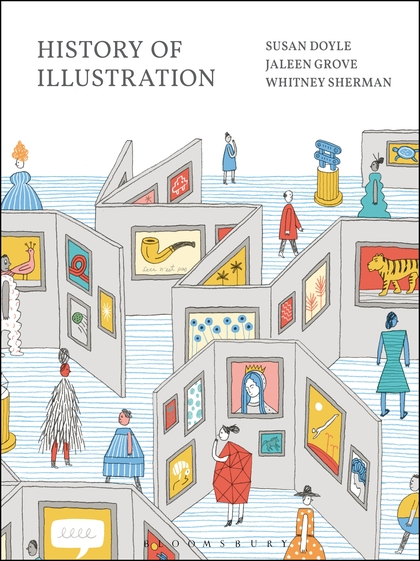
History of illustration
Susan Doyle ed.,
History of Illustration covers image-making and print history from around the world, spanning from the ancient to the modern. Hundreds of color images show illustrations within their social, cultural, and technical context, while they are ordered from the past to the present. Readers will be able to analyze images for their displayed techniques, cultural standards, and ideas to appreciate the art form. This essential guide is the first history of illustration written by an international team of illustration historians, practitioners, and educators.
tovább >>>
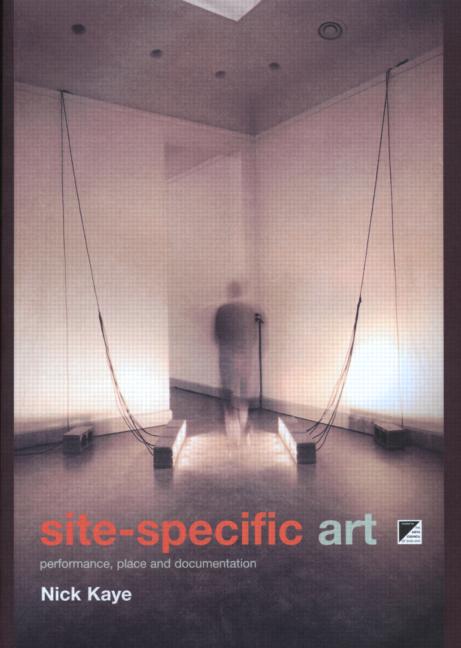
Site-specific art : performance, place, and documentation
Nick Kaye
Site-Specific Art charts the development of an experimental art
form in an experimental way. Nick Kaye traces the fascinating
historical antecedents of today's installation and performance art,
while also assembling a unique documentation of contemporary practice
around the world.
The book is divided into individual analyses of
the themes of space, materials, site, and frames. These are interspersed
by specially commissioned documentary artwork from some of the world's
foremost practitioners and artists working today. This interweaving of
critique and creativity has never been achieved on this scale before...
tovább >>>
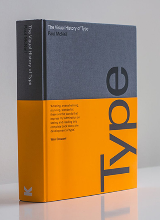
The visual history of type
Paul McNeil
The Visual History of Type is a comprehensive, detailed survey of the major typefaces produced since the advent of printing with movable type in the mid-fifteenth century to the present day. Arranged chronologically to provide context, more than 320 typefaces are displayed in the form of their original type specimens or earliest printing. Each entry is supported by a brief history and description of key characteristics of the typeface.
This book will be the definitive publication in its field, appealing to graphic designers, educators, historians and design students. It will also be a significant resource for professional type designers and students of type....
tovább >>>
![[a kiállítást rend.] Kárpáti Zoltán: A test diadala : Michelangelo és a 16. századi itáliai rajzművészet](/upload/bookreview/1000/1494_src.png)
A test diadala : Michelangelo és a 16. századi itáliai rajzművészet
[a kiállítást rend.] Kárpáti Zoltán
„Michelangelo alighanem azért jött a világra, mert Isten példát akart mutatni általa a művészeknek” – írta kortársa és barátja, Giorgio Vasari, akinek köszönhetően a mester nevével elválaszthatatlanul összeforrt az „isteni” jelző...
tovább >>>
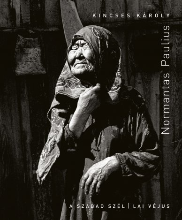
Normantas Paulius : ba szabad szél = lai véjus
Kincses Károly
Normantas Paulius (Kalniskiu, 1948. június 8. – Nyíregyháza, 2017. január 7.) litván származású, de évtizedek óta haláláig Magyarországhoz is hazájaként kötődő utazó, költő és fotóművész szinte minden szempontból szabálytalan életutat futott be, és igazán öntörvényű, nehezen beskatulyázható egyéniség volt.
Kincses Károly, a kötet szerzője Normantas életpályájának bemutatásában e nehezen megfogható karakter megragadására, a különös személyiség felvázolására és érzékeltetésére teszi a hangsúlyt.
Kincses rendhagyó életrajza így – Szarka Klára szavaival - kevésbé az alkotó vizuális életművének, képi és tárgyi hagyatékának, irodalmi teljesítményének tudományosabb, összehasonlító jellegű értékelése, sokkal inkább e különös karakter bemutatása. Normantas Paulius mint a vágyott (belső) szabadság megtestesítője értékelődik igazán.
tovább >>>
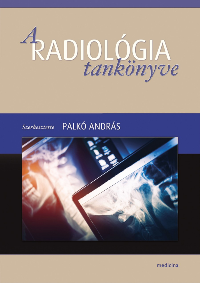
A radiológia tankönyve
Palkó András (szerk.)
tovább >>>

Szoptatás és humán laktáció
Wambach, Karen - Riordan, Jan
tovább >>>
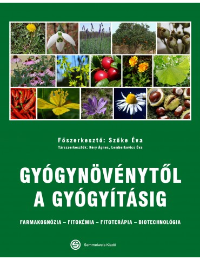
Gyógynövénytől a gyógyításig : farmakognózia, fitokémia, fitoterápia, biotechnológia
Szőke Éva (főszerkesztő)
A könyv elengedhetetlen ismeretanyagot nyújt a gyógyszerészhallgatóknak, gyógyszerészeknek, a gyógynövény-terápia iránt érdeklődő szakembereknek.
tovább >>>